



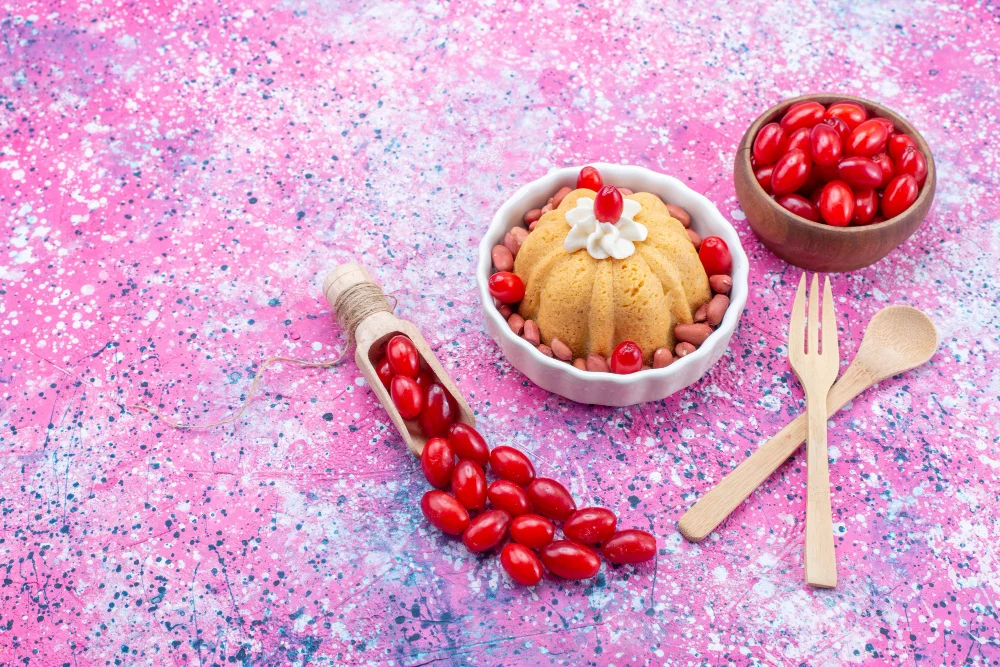
Welcome to the delightful world of jelly-making! Whether you’re a seasoned culinary enthusiast or a beginner eager to experiment, jelly recipes offer a fantastic way to explore flavors and textures. At www.recipesjelly.com, we’re committed to providing you with the best jelly recipes, tips, and tricks to elevate your kitchen experience.
In this comprehensive guide, we’ll delve into the art of jelly-making, explore various types of jellies, and provide you with the tools you need to become a jelly-making master.
See also The Best Diet Plan for Your Rodwajlery: What to Feed and What to Avoid
Introduction to Jelly Making
Jelly, a beloved staple in many kitchens, is more than just a sweet treat. It’s a versatile culinary creation that can enhance both sweet and savory dishes.
But what exactly is jelly? In its simplest form, jelly is a spread made from fruit juice, sugar, and a gelling agent such as pectin or gelatin. It can be enjoyed on its own or used as a dessert topping, a filling for pastries, or even a glaze for meats.
What is Jelly?
Jelly is a clear and firm spread made from fruit juices. Unlike jam or preserves, jelly does not contain pieces of fruit, giving it a smooth consistency. This makes it perfect for spreading on toast or adding a glossy finish to desserts.
History and Origin
The art of jelly-making dates back centuries, with roots in ancient civilizations where preserving fruit was essential for survival. Over time, jelly has evolved from a simple preservation method to an art form, with cultures worldwide adding their unique twists to the traditional recipe.
Types of Jellies
Exploring the different types of jellies can open up a world of culinary possibilities. Here are some popular varieties:
Fruit Jellies
Fruit jellies are the most common type, made from fruit juices like grape, apple, or berry. These jellies are often enjoyed on toast or as an ingredient in baking.
Herbal Jellies
Herbal jellies incorporate herbs like mint, basil, or rosemary, offering a unique twist on traditional flavors. They can be used in both sweet and savory dishes.
Vegan Jellies
For those following a plant-based diet, vegan jelly alternatives made with agar-agar or chia seeds are an excellent option. These jellies provide a similar texture without using animal-derived gelatin.
Essential Ingredients and Tools
Creating the perfect jelly requires a few key ingredients and tools. Here’s what you’ll need:
- Fruit Juice: Choose fresh, high-quality juices for the best flavor.
- Sugar: Essential for sweetness and preservation.
- Gelling Agent: Options include pectin, gelatin, or agar-agar.
- Acid: Often lemon juice or citric acid helps set the jelly.
- Canning Jars: Sterilized jars ensure your jelly stays fresh.
- Candy Thermometer: Important for reaching the correct setting temperature.
Step-by-Step Guide to Making Jelly
Creating homemade jelly can be a rewarding and enjoyable process. Follow these steps for a basic fruit jelly recipe:
Basic Fruit Jelly Recipe
- Prepare the Fruit Juice: Start with about 4 cups of fruit juice. Strain to remove any pulp or seeds for a clear jelly.
- Measure Ingredients: For every cup of juice, use ¾ cup of sugar and 1 tablespoon of lemon juice.
- Combine Ingredients: In a large pot, combine fruit juice, sugar, and lemon juice. Stir until sugar is dissolved.
- Boil the Mixture: Bring to a rapid boil, stirring constantly to prevent burning.
- Add Gelling Agent: Stir in the pectin or other gelling agent according to package instructions.
- Test for Setting Point: Use a candy thermometer to check the temperature. Jelly sets at 220°F (104°C).
- Jar the Jelly: Pour into sterilized jars, leaving ¼ inch of space at the top. Seal with lids.
- Process the Jars: Place jars in a boiling water bath for 10 minutes to ensure a proper seal.
Advanced Techniques
For those looking to expand their jelly-making skills, try experimenting with sugar-free jelly recipes or creative flavor infusions using spices and herbs. Additionally, explore jelly art, where you can create visually stunning desserts using layered jellies.
Health Benefits of Jelly
While jelly is often enjoyed as a sweet treat, it also offers some nutritional benefits:
- Source of Fruit Nutrients: Jellies made from real fruit juices contain vitamins and antioxidants.
- Low in Fat: Most jellies are naturally low in fat, making them a lighter option for spreads and toppings.
- Versatile for Diets: With options like sugar-free and vegan jellies, you can enjoy jelly while adhering to dietary preferences.
Common Mistakes and How to Avoid Them
Even experienced cooks can encounter issues when making jelly. Here are common mistakes and how to avoid them:
- Jelly Doesn’t Set: Ensure you’re using the correct amount of gelling agent and reaching the proper temperature.
- Cloudy Jelly: Strain juice thoroughly to remove pulp and impurities.
- Overly Sweet Jelly: Adjust sugar levels to taste, keeping in mind that sugar helps with preservation.
Creative Serving Suggestions
Jelly isn’t just for toast! Here are some creative ways to use your homemade jelly:
- Glaze for Meats: Use jelly as a glaze for roasted meats for a sweet and savory contrast.
- Dessert Topping: Drizzle over ice cream or cheesecake for added flavor.
- Cocktail Mixer: Incorporate jelly into cocktails for a fruity twist.
- Baking Ingredient: Use as a filling for pastries, cakes, or cookies.
Frequently Asked Questions
- What is the difference between jelly and jam?
Jelly is made from fruit juice, resulting in a smooth texture, while jam contains mashed fruit, offering a chunkier consistency. - How long does homemade jelly last?
Properly sealed and stored jelly can last up to a year in a cool, dark place. Once opened, refrigerate and consume within a month. - Can jelly be made without pectin?
Yes, jelly can be made without pectin by using high-pectin fruits like apples or by cooking longer to achieve the desired set. - How to make jelly without gelatin?
Use plant-based alternatives like agar-agar or chia seeds for a gelatin-free jelly. - What are the best fruits for homemade jelly?
Popular choices include grapes, apples, berries, and citrus fruits, all of which offer natural pectin and vibrant flavors. - How to fix jelly that didn’t set?
Reboil the mixture with additional pectin or lemon juice, then test again for the setting point. - Can jelly be made without sugar?
Yes, sugar-free versions can be made using low-sugar pectin and sweeteners like stevia or honey.
Conclusion
Jelly-making is an art that combines culinary creativity with tradition. At www.recipesjelly.com, we strive to inspire your kitchen adventures with reliable recipes, innovative ideas, and practical tips. Whether you’re crafting a classic fruit jelly or exploring new flavors, the possibilities are endless.
So, roll up your sleeves, gather your ingredients, and let the jelly-making journey begin!
For more recipes and expert advice, visit www.recipesjelly.com. Happy jelly-making!