



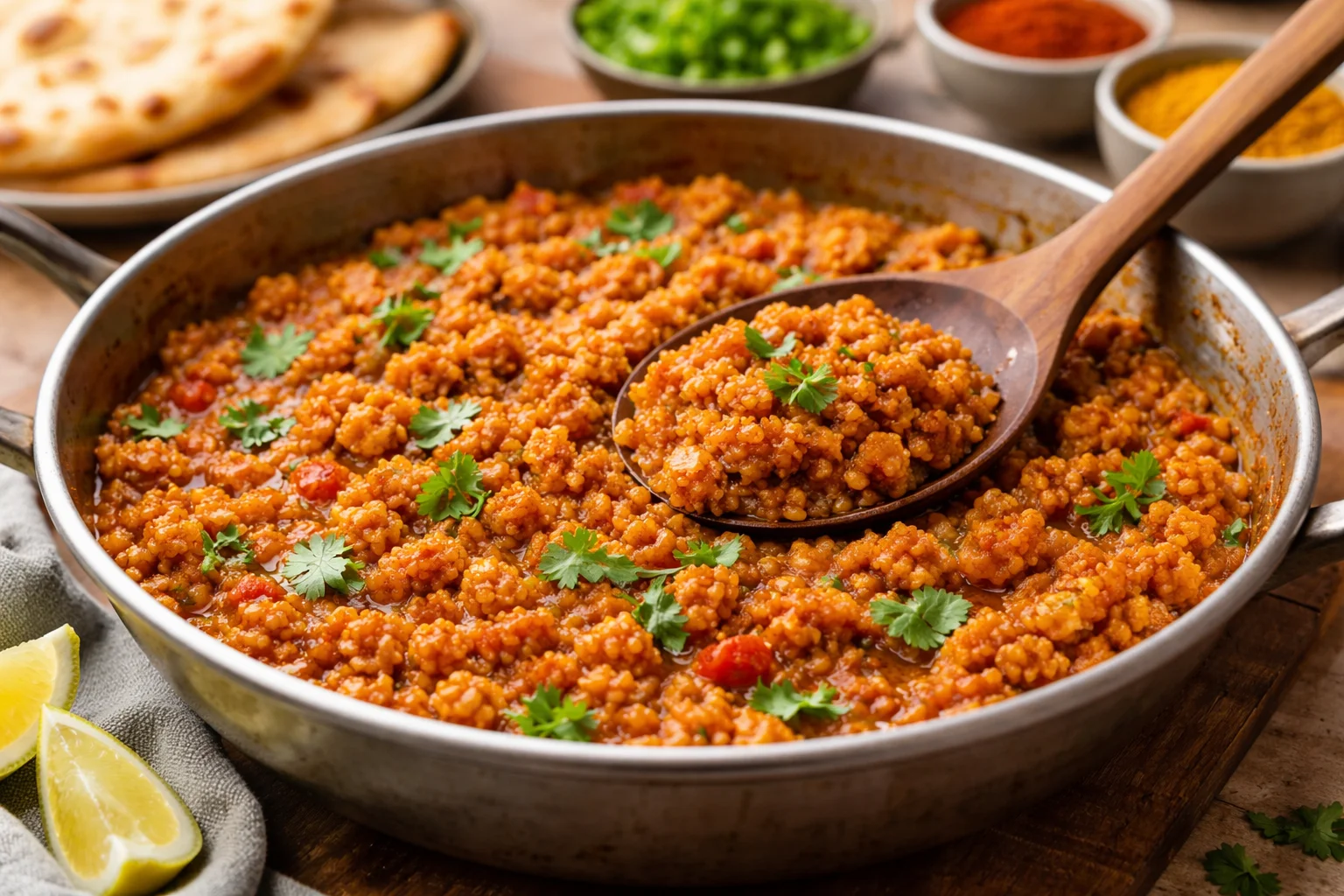
Insoya is one of those ingredients that people think they understand—until they start using it. Some praise it as practical and useful. Others dismiss it as tasteless or unnecessary. The truth lies somewhere in between, and most of the confusion comes from expectations, not the ingredient itself.
This article is written to clear that confusion. It does not promote insoya, criticize it, or frame it as a lifestyle choice. Instead, it explains what insoya realistically does well, where it does not fit, and how people can decide—without guesswork—whether it belongs in their kitchen.
What Insoya Is Meant to Do (And What It Is Not)
Insoya is not designed to impress
Insoya is not a showpiece ingredient. It does not carry a signature flavor, aroma, or visual appeal. Expecting it to behave like meat, paneer, or mushrooms leads to disappointment.
See also Gourmet Frozen Foods: Elevate Your Meals with Quality Ingredients
Its purpose is simple:
- Add structure
- Increase volume
- Support seasoning
Once this is understood, expectations reset correctly.
Insoya is also not a shortcut to “healthy” eating
Many people assume insoya is automatically a health food. In reality, it is a processed ingredient designed for convenience and consistency. It can support balanced meals, but it does not replace thoughtful eating.
Seeing it as a tool rather than a solution prevents misuse.
Why People Have Strong Opinions About Insoya
First-use bias
Most people decide how they feel about insoya after one meal. If that meal was poorly prepared, the opinion sticks. Unlike familiar foods, insoya rarely gets a second chance.
This explains why reactions are often extreme—very positive or very negative.
Expectation mismatch
People who dislike insoya usually expected:
- Strong natural taste
- Meat-like richness
- Minimal seasoning effort
People who like insoya expected:
- Neutral base
- Texture support
- Flexibility
Same ingredient, different expectations.
When Insoya Works Exceptionally Well
Meals built around sauces and spices
Insoya performs best when:
- Flavor comes from spices or sauces
- The dish already has moisture
- Texture needs reinforcement
Examples include mixed gravies, rice-based meals, and stuffed breads.
Situations where consistency matters
Insoya shines when you need:
- Predictable results
- Uniform servings
- Reliable texture
This is why it is common in large households and bulk cooking.
When fresh protein is unavailable
Insoya’s shelf stability makes it useful during:
- Busy weeks
- Missed grocery trips
- Supply gaps
It acts as a dependable backup, not a replacement.
When Insoya Often Disappoints
Dry or minimalist recipes
In dishes where:
- Ingredients are lightly seasoned
- Natural flavor is the focus
- Moisture is limited
Insoya can feel out of place unless handled carefully.
Recipes built around one central ingredient
If a dish relies on the character of one main ingredient, insoya may dilute rather than enhance the experience.
Knowing where not to use insoya prevents frustration.
The Most Common Insoya Myths (And Why They Persist)
“Insoya has no taste”
True—but incomplete. Insoya is not meant to taste like anything on its own. Its value is in how it absorbs surrounding flavors.
Calling it tasteless is like calling rice bland when eaten plain.
“Insoya is just filler”
Insoya adds volume, but not emptiness. When used correctly, it contributes texture and satisfaction without reducing quality.
The filler label usually comes from overuse or poor preparation.
“Insoya is only for people avoiding meat”
Many households that eat meat still use insoya occasionally—for convenience, budget control, or lighter meals.
Its use is situational, not ideological.
How Insoya Changes the Way a Meal Feels
Texture influences satisfaction more than taste
In many meals, satisfaction comes from chewing resistance, not flavor intensity. Insoya adds that resistance, which makes meals feel complete.
Without it, some vegetable-based dishes feel unfinished.
It slows eating naturally
Because of its texture, insoya often slows down eating slightly. This contributes to feeling full without increasing portion size dramatically.
Portion Control: The Silent Strength of Insoya
Expansion creates efficiency
Dry insoya expands after soaking. This means:
- Small amounts go far
- Portions are easy to adjust
- Waste is reduced
However, this same expansion can cause problems if not planned.
Why more is not better
Using too much insoya leads to:
- Texture fatigue
- Reduced flavor clarity
- Heaviness
Insoya performs best when it supports, not dominates.
How Regular Users Think About Insoya
As a background ingredient
People who use insoya often do not plan meals around it. They add it when it makes sense and ignore it when it does not.
This casual use is a sign of integration.
Technique matters more than recipe
Regular users adjust:
- Soaking time
- Cooking order
- Moisture level
They do not blame the ingredient when a dish fails.
Buying Insoya: What Actually Matters
Texture over branding
Most experienced buyers care more about:
- Granule size
- Consistency
- Freshness
Brand becomes secondary once cooking behavior is predictable.
Learning curve in quantity
New users often overbuy. With experience, they realize how far small amounts stretch and buy accordingly.
Storage and Planning Benefits
Low maintenance ingredient
Insoya:
- Stores easily
- Does not require refrigeration before use
- Has a long shelf life
This makes it suitable even for infrequent cooks.
Reduces dependency on fresh supply
Having insoya on hand reduces pressure to shop frequently, especially during busy periods.
Health Perspective Without Assumptions
Balanced use is common naturally
Because insoya does not dominate flavor, people rarely overconsume it. It naturally stays within moderate portions.
Personal tolerance matters
As with any soy-based product, individuals adjust frequency based on comfort.
Why Insoya Has Not Disappeared
Food trends come and go. Insoya remains because:
- It solves practical problems
- It adapts quietly
- It does not demand attention
Ingredients that fit into habits last longer than those that try to change them.
Who Should Consider Using Insoya
Insoya may be useful if you:
- Cook for multiple people
- Need flexible protein options
- Want predictable results
- Value shelf stability
It may not suit you if you:
- Prefer ingredient-forward cooking
- Avoid processed foods entirely
- Expect strong natural flavor
Neither choice is wrong.
FAQs
Is insoya meant to replace meat?
No. It is usually used to support meals, not replace entire dishes.
Why do some people strongly dislike insoya?
Often due to poor first experience or incorrect expectations.
Can insoya be used often?
Yes, when balanced with other foods.
Does preparation really matter that much?
Yes. Most problems come from rushed or incomplete preparation.
Final Thoughts
Insoya is neither a miracle ingredient nor a useless one. It is a practical tool that works well in specific situations and poorly in others. Most confusion comes from using it where it does not belong or expecting it to behave like something it is not.
When treated as a supporting ingredient—used intentionally, not automatically—insoya becomes reliable, manageable, and surprisingly useful in everyday cooking.